Attractions
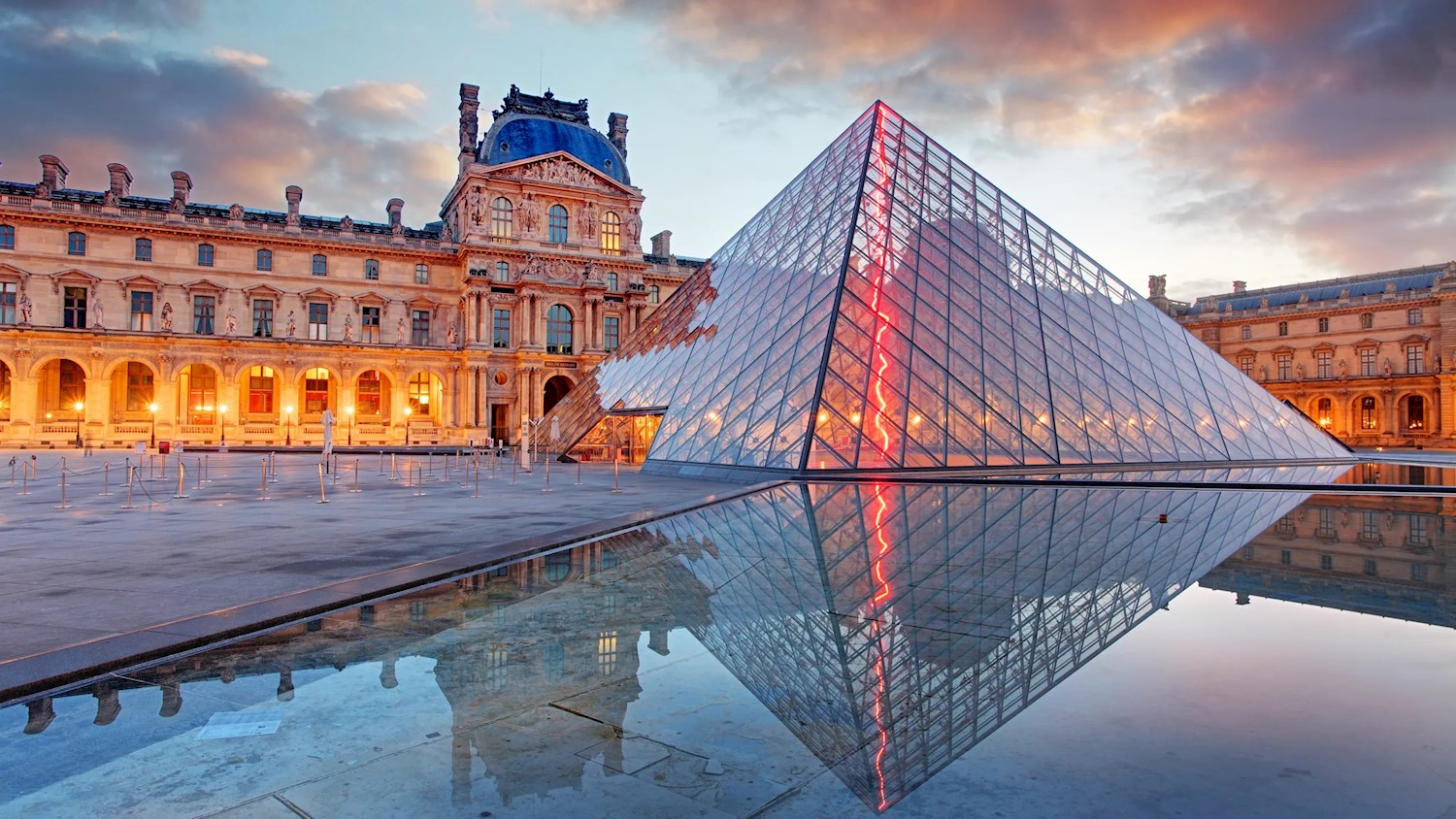
Search out priceless treasures in Paris' classic Musée du Louvre
The Cyclades is a group of Greek islands, southeast of the mainland in the Aegean Sea. It centers on uninhabited Delos, considered the birthplace of Apollo, and home to some of Greece’s most important archaeological ruins. Many of the islands are popular holiday destinations, known for their beaches, ancient sites, rugged landscapes and traditional blue-and-white stucco towns overlooking the sea.
more

Search out priceless treasures in Paris' classic Musée du Louvre
FRANCE // While many of the 10 million-plus visitors who annually enter the Louvre head straight to the Mona Lisa and Venus de Milo, the planet's most visited museum is no two-hit wonder. This is an intricately curated record of human endeavour and expression, housed in a 12th-century fortress transformed into a royal residence in the mid-16th century that's as fascinating as its 35,000 exhibits. The glass pyramid main entrance is now a Parisian landmark in its own right.
What is special about Louvre Museum?
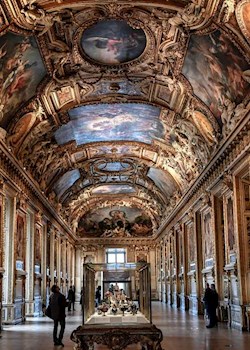
Where better than the Louvre to understand these great works of art? The palace is home to some of the world's most iconic works - paintings, sculptures, architectural elements and art objects by famous or unknown artists of various origins and periods. And no two masterpieces are alike!
What's inside Louvre?
What is the famous thing in the Louvre museum?
Mona Lisa
Why is it called the Louvre?
According to the first, the word louvre is derived from the Latin word lupara, meaning wolf, due to the existence of wolves in this area in the past centuries. An alternative theory is that it is a misunderstanding of the Old French word low, meaning tower, referring to the original purpose of the Louvre as a defensive structure.
Why do people love the Louvre museum?
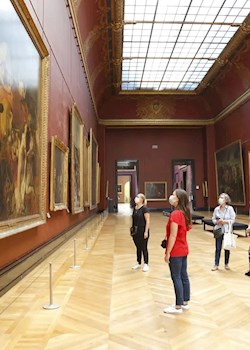
The Louvre Museum is known as the largest and most visited museum in the world. It houses an incredibly extensive collection, ranging from Greek antiquities from 6500 BC to relatively modern paintings and sculptures from the 19th century.